
Train Together
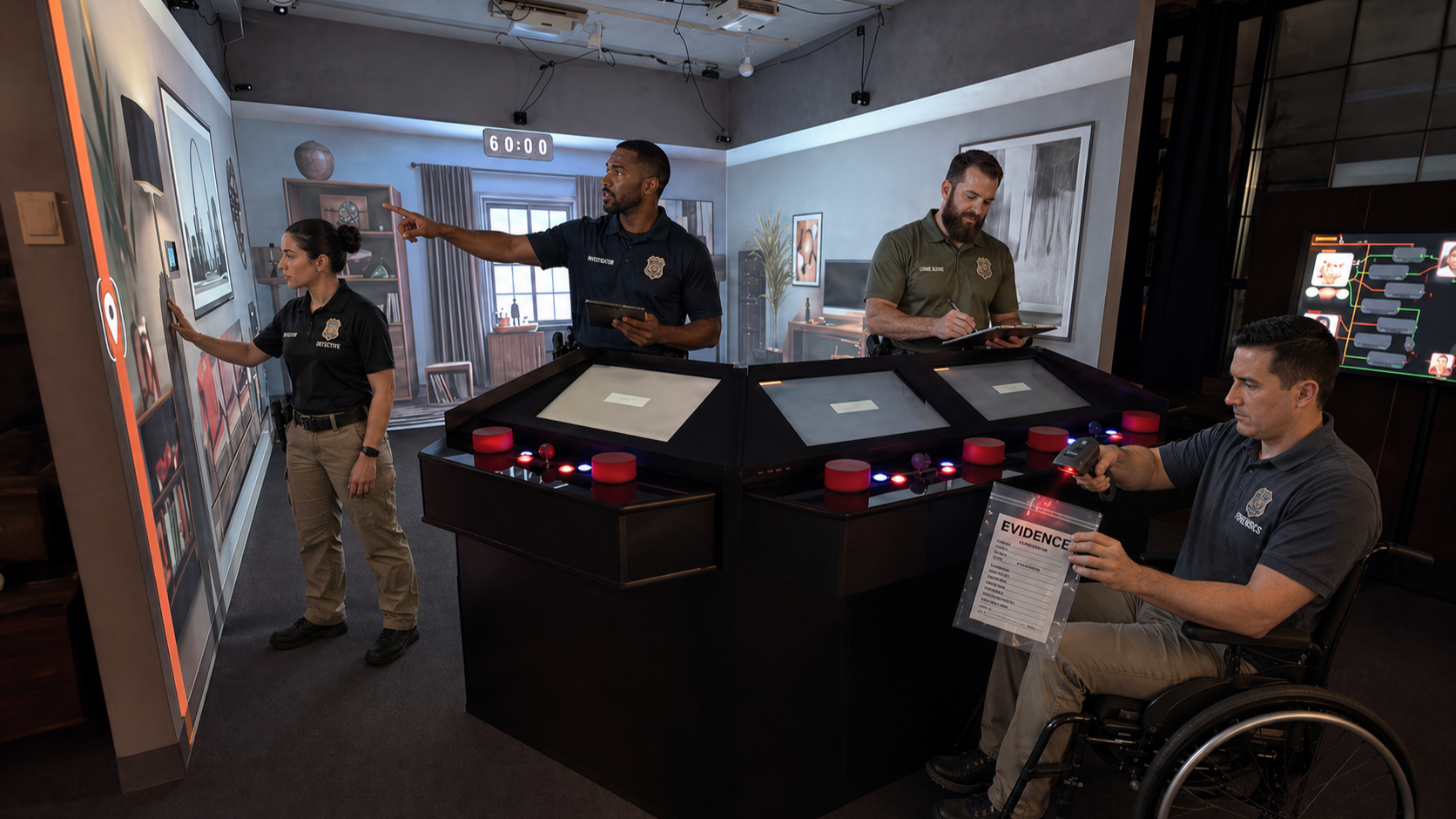
Complex Situations.
Multiple Roles.
Real-life Skills.
THE PROBLEM
Siloed training focuses on individual skills rather than working with others.
In a high-pressure environment, success isn't just about knowing your job—it’s about how your job fits into the chaos around you. Most training software focuses on one person at one screen. But on a submarine bridge, at a crime scene, or in a triage unit, the "win" depends on synchronized, multi-role execution.MysteryWorks provides the digital architecture to train teams as they actually work: together, yet distinct.
HOW IT WORKS
One Simulation. Infinite Perspectives.
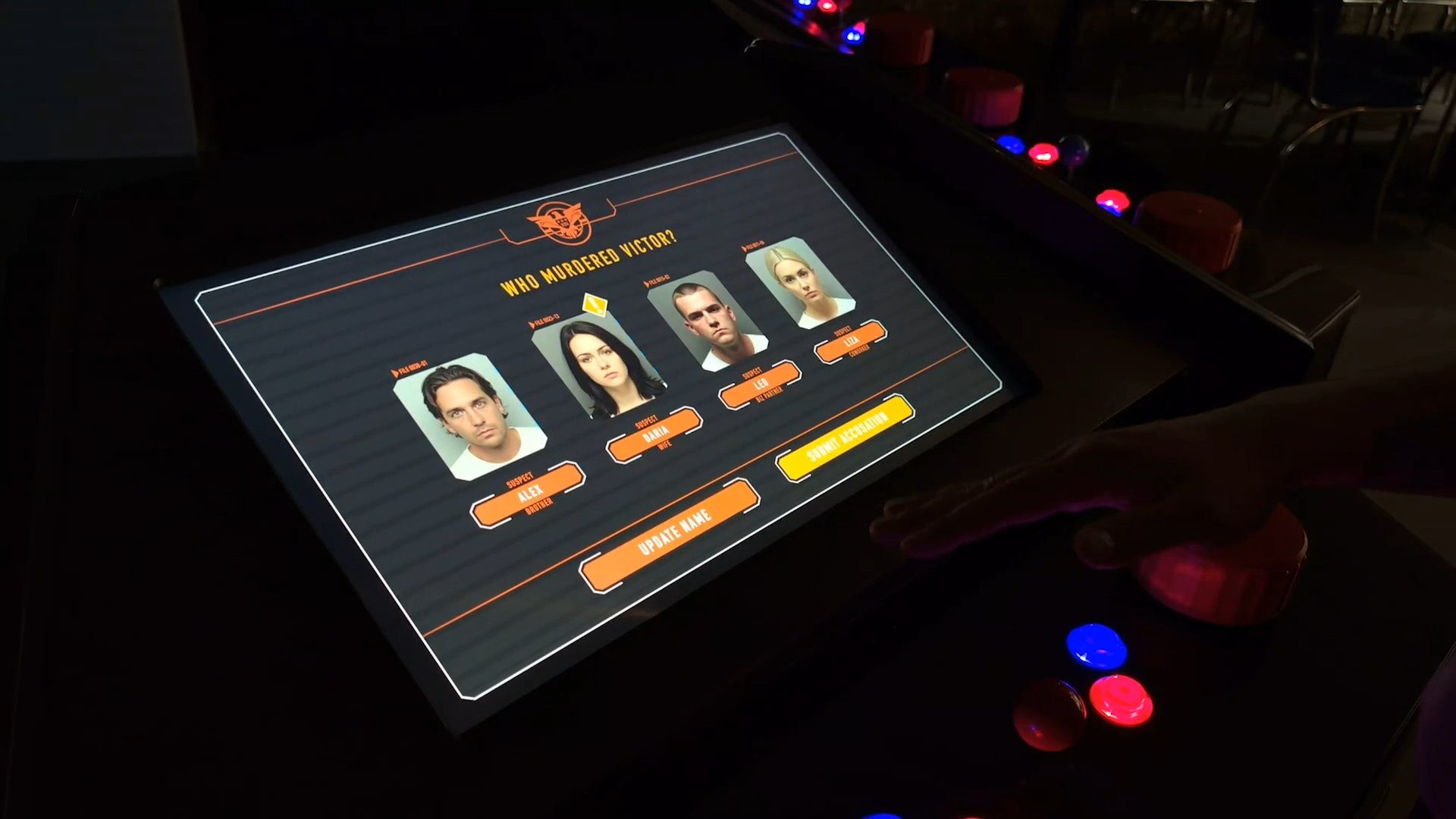
Our platform allows you to build complex, interdependent scenarios where every participant has a unique role, a unique interface, and a unique set of responsibilities—all feeding into the same live environment.
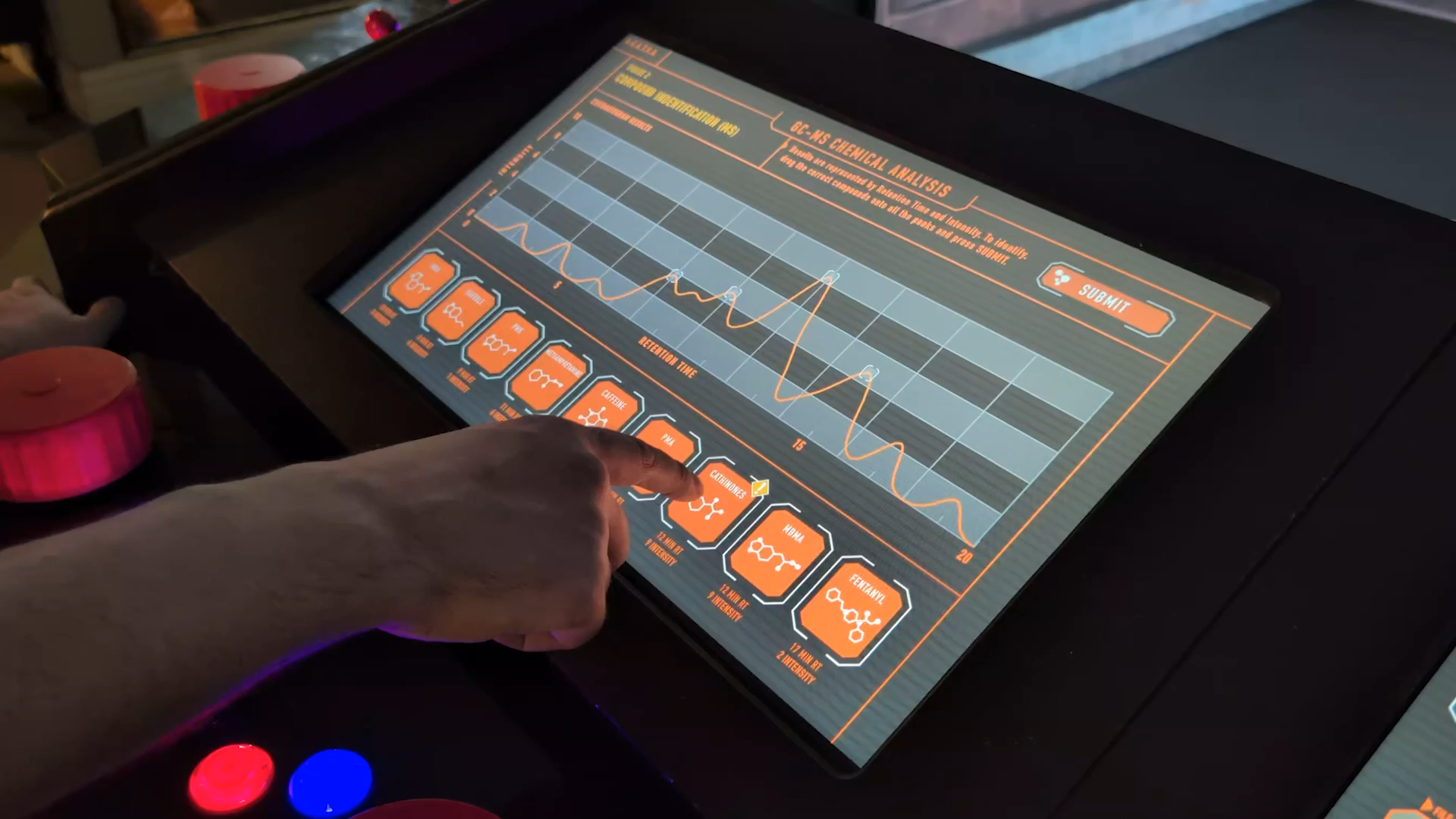
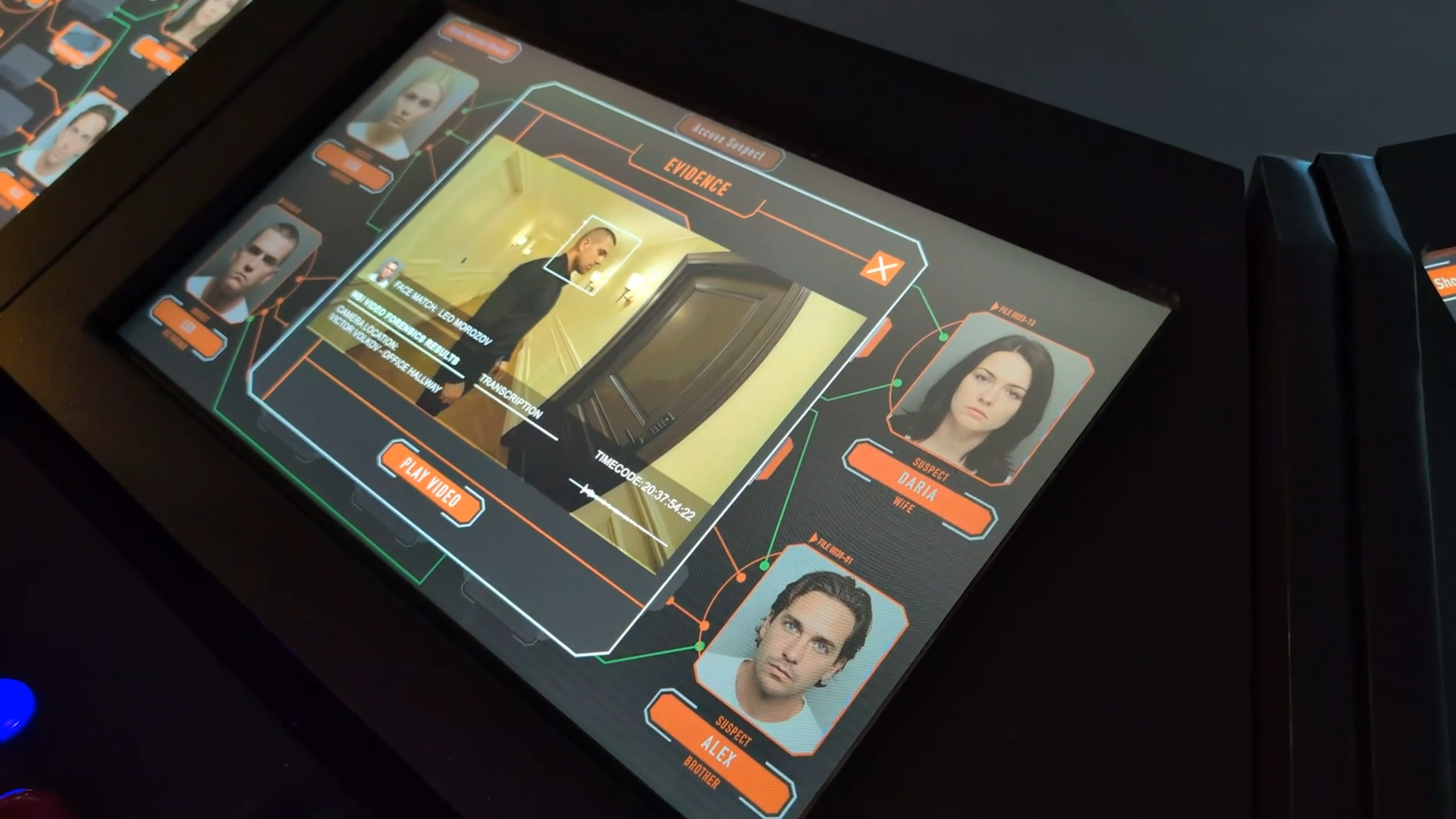
Asymmetric Roles: The navigator sees the map; the sonar tech hears the pings; the commander makes the call. Our engine keeps everyone in sync while giving them different tools.
Live Observation & "The Fishbowl": Instructors and classmates can watch the simulation unfold in real-time. Turn every training session into a masterclass by analyzing decision-making as it happens.
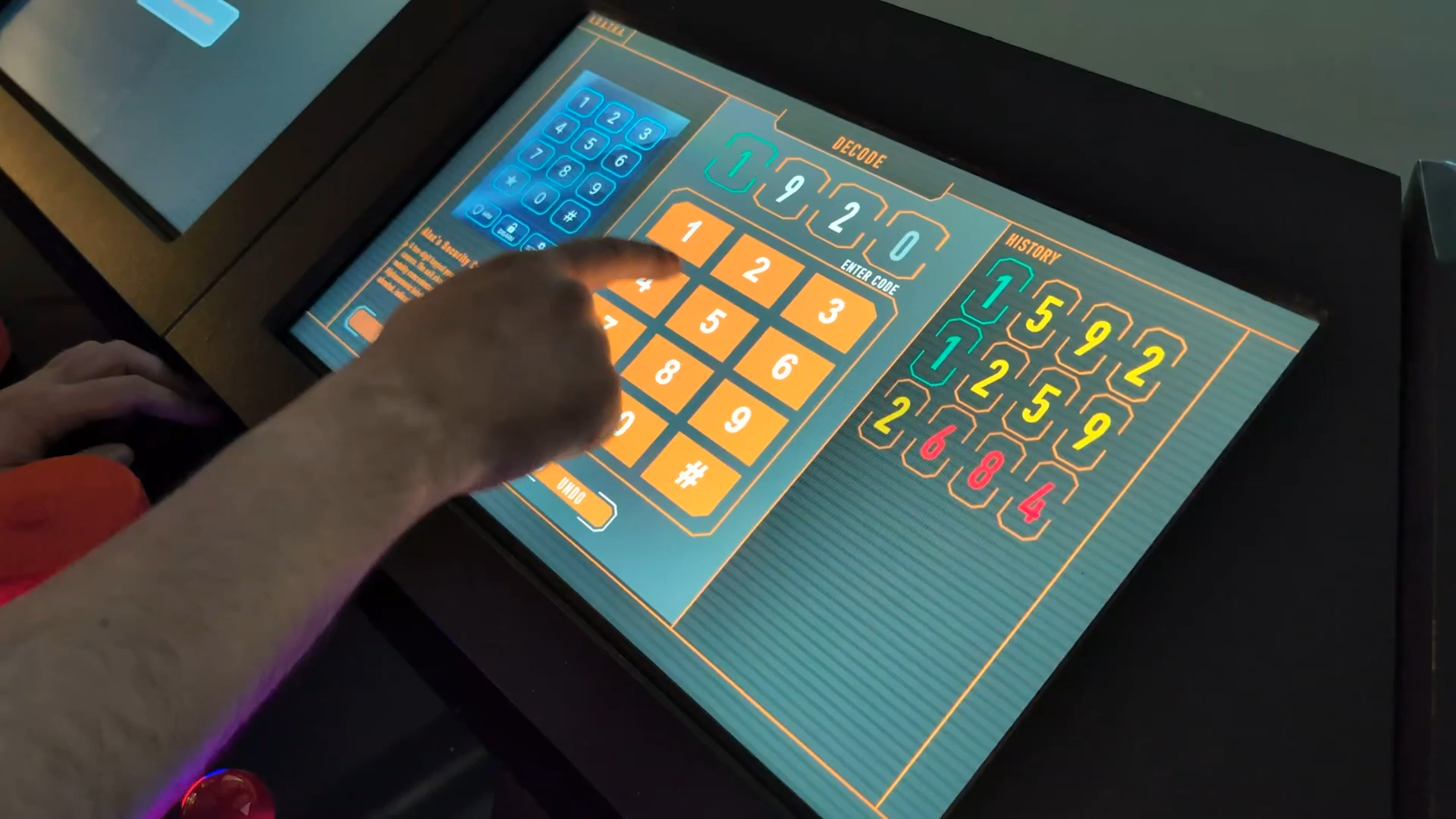
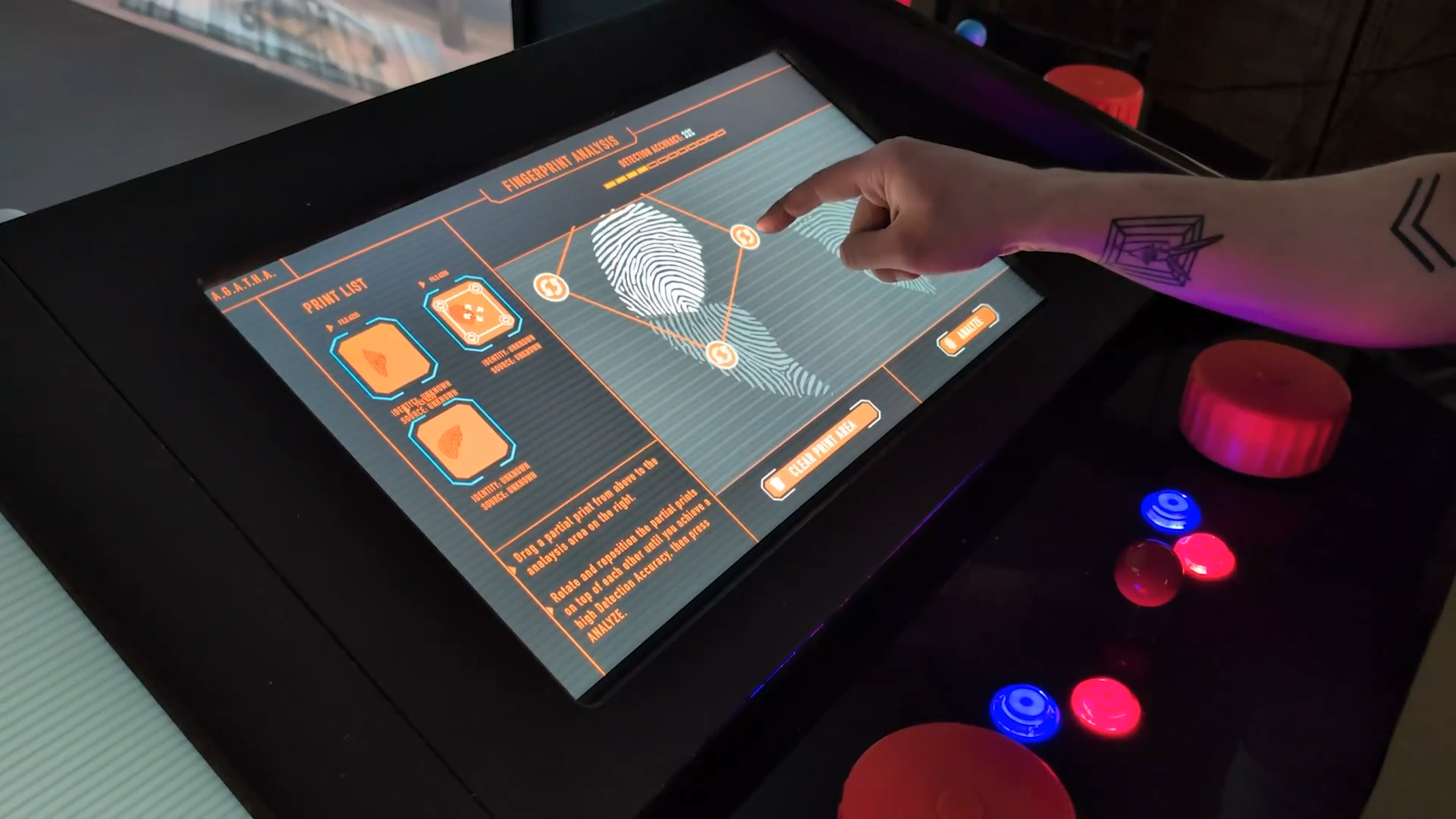
Tactile Integration (The "Phygital" Edge): Don’t just click buttons. Incorporate physical props, evidence kits, or hardware consoles. Our platform bridges the gap between digital logic and physical action.
COMPlex and interdependent
Use Cases
If it’s complex, we can simulate it.
Crime Scene Forensics: Train investigators, photographers, and evidence technicians simultaneously. Ensure the chain of custody is maintained while the clock is ticking and the scene is "active."
Emergency Situational Response: Coordinate fire, police, and EMS in a single unified simulation. Test communication bottlenecks and resource allocation under extreme pressure.
Defense & Maritime Operations: From submarine bridge maneuvers to flight deck coordination, simulate the high-fidelity environments where communication is the difference between mission success and catastrophe.
unified and Simultaneous
KEY FEATURES
Dynamic Instructor Overrides: Change the weather, trigger a system failure, or drop a new piece of evidence into the simulation on the fly to test team adaptability.
Deep-Dive Analytics: Every action is logged. Review the "who, what, and when" of every decision for comprehensive post-action debriefs.
Scalable Classrooms: Whether you have a team of four or a class of forty, observers can rotate into active roles or watch via a live-streamed "Tactical View."
One Solution. Scalable Possibilities.
Stop training individuals.